
Equipment
We are proud to be your reliable partner in the field of Filter Press equipment and accessories. Our quality, innovation and customer service has made us a focal point in the industry with a large number of content customers who rely on our expertise and complete range of products. We stock hydraulic power packs, plate shifting devices among others to ensure that your filtration systems never break down.
Why Choose Panama?
A neat warehouse filled with high-quality goods is reflective of our commitment to excellence. Our company actively cooperates with major suppliers of raw materials and accessories in this field so that all products we offer meet the highest quality requirements. As time went on, we have expanded our service to ordinary and extraordinary technical support by providing practical answers for your filtration challenges right at your own plant.
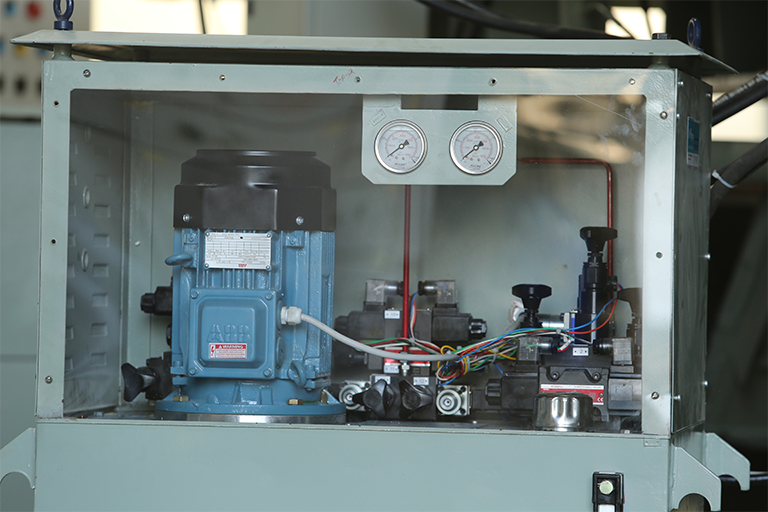
Key Features:
- Motor Power: 1 HP – 10 HP
- Tank Capacity: 30 Litres – 300 litres
- Hydraulic Gear Pump: Consistent flow of pressure accurately delivered
- Customized Hydraulic Manifolds: Perfectly suited for your needs
- Hydraulic Unloading Relief Valve: Safety combined with performance
Benefits
- Designed for Large or Multiple Plates - : Ideal for many or large plates
- Labor Reduction - : One operator only is required to monitor the progress
- Process Automation - Reduces downtime by speeding up the emptying cycle
- Adjustable Speed - Regulates the movement of plates during shifting
- Hydraulic Cylinder
- Plate Shifter
- Drip Tray
- Cloth Washing Mechanism
- Hydraulic Power Pack
- Electric Control Panel
- Air Actuator Valve
- Feed Pump
- Belt Conveyors
- Core Blow
Automated
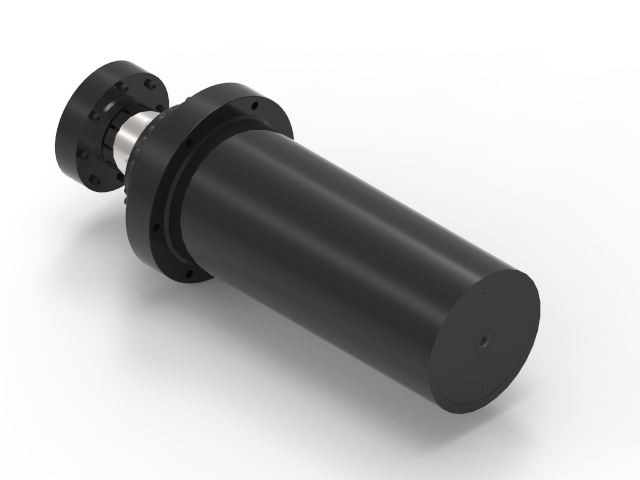
The hydraulic cylinder is one crucial part of the filter press system. It has been designed to produce a specific amount of pressure and apply it to achieve an optimal filtration. During the dewatering process, a powerful and unvarying force from the hydraulic cylinder is exerted on the filter plates, keeping them tightly compressed. This compression ensures that solids are separated from liquids thereby forming a solid filter cake.
The performance of this component determines how efficiently and effectively filtration takes place in the system. When properly maintained, hydraulic cylinders ensure that pressure is distributed uniformly across all the plates to prevent leaks while also guaranteeing that slurry is well-filtered. The hydraulic cylinder works under high pressure controlled by the hydraulic power pack; hence, it must be strong enough to withstand heavy usage in such industrial environments where it operates continuously.
Regularity in checking and maintaining this equipment will maintain its efficiency as a cylinder. It involves checking for leaks, ensuring cleanliness and right fluid level for coolant as well as replacement of seals or other components when required. A dependable hydraulic cylinder means less downtime and better operational productivity for filters press systems apart from being essential for any other industrial filtrations operations.
The Filter Press Plate Shifter is an integral mechanism in the automatic operation of the system which facilitates efficient movement between plate stacks during discharge cycle processes. In traditional setups, shifting plates manually may be time-consuming, labour-intensive and can lead to significant dead times between filtration cycles. The Plate Shifter automates this process reducing human effort while also shortening process time.
Slurry flows through spaces between these plates where solid particles are retained making up a cake like structure after sometime known as filter cake.In order to allow release of filtering cake after each cycle ,the plates have got to be parted. The Plate Shifter achieves this objective by shifting every single plate automatically but sequentially thus allowing easy exit of cakes.
Additionally, this automation improves operational efficiency while mitigating the health hazards of manual handling of plates. The Plate Shifter is adaptable to any size or configuration of plate and may be programmed accordingly depending on the type of filter press needed. This move reduces cycle time between cycles hence leading to more throughput and productivity in highly demanding industrial applications.
A drip tray is an essential part of a filter press system that is positioned beneath the plates to capture any residual liquids that may escape during filtration. Industrial filtrations require clean, uncontaminated surroundings, and it is achieved by using the Drip Tray.
Not all liquid is always completely captured by filter plates during dewatering stage. Filtrate or wash water may seep out especially when opening or closing up the filter plates. To prevent floor pouring slips and workplace pollution, these drips should instead be collected by a properly designed drip tray that takes care of them thus avoiding such risks as slips and contaminations within work area.
Materials used for the Drip Tray construction should be able to resist corrosions that come from various chemicals and extreme industrial conditions. It is also provided with a drainage system for easy removal of collected fluids. Failure to Clear Out the Drip Tray Regularly Can Result in an Overflow or Reduced Efficiency Due to Accumulated Deposits.
The overall cleanliness and safety of filter press operations are maintained by effectively handling residual liquids in the Drip Tray. The aim is to have the most efficient and uncontaminated filtration process possible.
An important feature of modern filter press systems, The Cloth Washing Mechanism ensures that filter cloths utilized in dewatering processes remain efficient and durable over time as they separate solids from liquids. Over time, fine particles and residues may block the pores of these clothes, reducing their permeability and filtering efficiency.
Hence, after every filtration cycle, the cloth washing mechanism ought to be able to carry out this task automatically instead of requiring human intervention each time. Specifically, there is usually a series of high-pressure water jets spraying both sides of these cloths which will help remove any stuck solid matter or waste products on them. Consistent porosity enabled by washing ensures evenness through all cycles.
This type of cleaning has two advantages: it prolongs the life span of filter cloths as well as prevents contamination from previous cake filtration cycles thus maintaining high cake quality; this reduces manual labour since filters can be processed automatically at virtually no extra costs thereby cutting down on personnel wages; also it mitigates against damage due to handling issues when cardboard like fabrics are being carried around.
A cloth washer integrated into filter presses becomes highly beneficial when applied in conditions where there are numerous filtering cycles per day while downtime needs minimization. That way one can maintain operational efficiency with minimal disruptions and stay confident about high-quality filtration results.
As far as hydraulic mechanisms are concerned, the Hydraulic Power Pack is what actually serves as the driving force. This becomes a central hub that creates and manages hydraulic pressure needed in operating a hydraulic cylinder that in turn applies the necessary force on filter plates during dewatering process. Failure of this power pack may tamper with general performance of the filter press.
Consequently, it contains several major parts like hydraulic pump, reservoir, motor and several valves plus controls. By means of an electric motor driven by it, hydromechanical energy is transformed into fluidic power which in this case gets converted into high pressure fluid intended for moving a hydraulic cylinder. Finally, valves direct flow and control direction of fluid to enable proper functioning of pressing process.
This power pack is designed to provide consistent and reliable pressure, even in the most demanding industrial environments. Pressure relief valves prevent over-pressurization and filtration systems keep hydraulic fluid clean from contaminants allowing smooth operations.
To avoid system failures and to extend filter press life, the hydraulic power pack must be serviced regularly. The latter includes fluid level checks, leak inspection of hoses and connections as well as replacement of used parts. A properly maintained hydraulic power pack will enable a filter press to function smoothly with reduced periods of inactivity as well as guaranteeing that the hydraulic cylinder can maintain a constant required pressure for successful filtration.
This is a main operational center of the filter press system in which operators will control and monitor practically every other part of the filtration process. This interface is designed to be easy to use, providing multiple functions that allow for precise manipulation of various operational parameters like pressure settings, cycle times and filtration modes.
Usually, the Electric Control Panel comes with a digital display and several buttons or touch controls that can be used by an operator to set specific parameters for each filtration cycle while advanced models may have programmable logic controllers (PLCs) that are capable of automating complex sequences as well as monitoring real time system performance. This capability ensures optimization of the filtration process hence reducing the need for continuous manual intervention.
The Electric control panel not only direct filtration but also provides important diagnostic information such as system pressures, alarm notification and cycle times. With this data, operators can detect any potential issues before they result in downtime or reduced efficiency. In addition, safety features such as emergency stop buttons and overload protection are integrated into the panel to ensure safe operation at all times.
The design and functionality of an electric control panel is critical in ensuring efficiency and safety during filter press operations. The control panel gives operators precise control over operations with real-time feedback thus playing a vital role in ensuring a smooth running, low downtime and safe operation throughout the filtration process.
Air actuator valves play a very crucial role in controlling flow of air and other fluids within any given filter press system. It acts as an automated opener/closer for valves gates among others to regulate airflow slurry or wash water during the whole filtering process. The effectiveness and efficiency of entire filtration depend squarely on precision and reliability exhibited by these air actuators’ valve devices.
Compressed air moves a diaphragm or piston which opens or closes the valve depending on its mode of operation. Fluid flow can therefore be controlled quickly yet accurately so that the right pressure and timing are maintained during a filtration cycle. It can be integrated with the Electric Control Panel so as to enable automated control which ensures that the filter press operates without regular manual adjustments.
The air actuator valve is responsible for controlling fluid flow in addition to ensuring that the entire system remains safe and reliable. The material used in making it allows it to operate under high-pressure conditions while its strength makes it suitable for use in harsh environments typical of industrial filtration processes. To maintain smooth operation of the system, regular maintenance checks for air leaks and proper lubrication must be conducted on an Air Actuator Valve.
Generally, an Air Actuator Valve will contribute towards automating, precision and safety enhancement within a filter press system thereby promoting efficient and dependable filtration activities.
In a filter press system, The Feed Pump is a vital part which delivers the slurry or liquid-solid mixture into the filter press at the required pressure. This pump is essential in the filtration process since it ensures that the slurry is spread evenly over all the filter plates allowing for efficient separation of solids from liquid.
The efficiency of filtration process is directly affected by how well feed pump performs. It should be able to maintain constant flow rate and pressure even with increased resistance within the filter press when forming filter cake. A good feed pump design should accommodate different viscosities and particle sizes within a slurry so as to enable effective operation of this system for many applications.
Feed Pumps are generally built strong and durable to withstand harsh industrial conditions. They may also come with variable speed drives enabling one to control flow rates with precision which helps in optimizing filtrations processes. Moreover, it must be easy to maintain because it has accessible parts that can be serviced or replaced without any major disruption of service times.
The Belt Conveyor is an indispensable component in the filter press system that serves as a means of transporting filter cakes or other processed materials coming from the press to their next destination for further processing or disposal. With the automation of material handling, manual labor is greatly minimized by the Belt Conveyor, leading to increased efficiency in workflow and productivity.
A typical installation usually has a Belt Conveyor placed at the discharge end of the filter press where it collects and releases dewatered filter cakes from plates. The conveyor belt is motorized so that it moves them along a well-defined path ensuring smooth flow and continuous operation. The Belt Conveyor can be customized with respect to length, width and speed which makes it possible for accommodating various sizes and volumes of filter cakes depending on operational requirements.
It is made out of heavy duty materials because it operates in tough industrial environments characterized by exposure to chemicals, moist conditions, abrasive substances among others. Some come with side guards while others have adjustable speed controls so as not spillage over during its transportation time.
Besides streamlining the material handling process, automatic lifting up and transportation of heavy filter cakes are less exposed to risk injuries through using a conveyer belt system. This creates safe working environment where operators have ample time attend more pressing filtration related matters thus enhancing overall effectiveness and efficiency of operations.
Core Blow technology represents an advanced feature within a filter press that facilitates elimination of residual moisture from the cake supporting better cake dryness during dewatering. Therefore this enables compressed air flowing through center part of cake layers removing all remaining liquid trapped inside filters bed fabric. However this leads to achieving waterless more uniform solids necessary for their subsequent usage or disposal.
Towards the end portion when most liquids have been separated from solids bulk during filtration cycle, Core Blow functions best. By introducing controlled bursts of compressed air through blow nozzles targeting core areas which are very hard for drying, the system enhances its effectiveness. This additional step can considerably reduce drying time of filter cakes making it useful in operations with high turnaround times.
Core Blow has multiple advantages. It ensures that there is low moisture content in the final product improving overall quality of the cake which may be crucial for industries where moisture levels affect recuperability or market value of a product. Secondly, by removing residual moisture from cakes, transportation costs are reduced as drier cakes are light and compact.
The Core Blow System can usually be easily combined into an existing filter press operation and can be tailored to fit various sizes of presses as well as their configurations. Consistent performance requires that the compressed air system and nozzles be properly maintained while ensuring that there are no blockages that might reduce the effectiveness of the blow. In general, this makes Core Blow a valuable addition to any filter press installation by improving both its efficiency and dewatering processes.